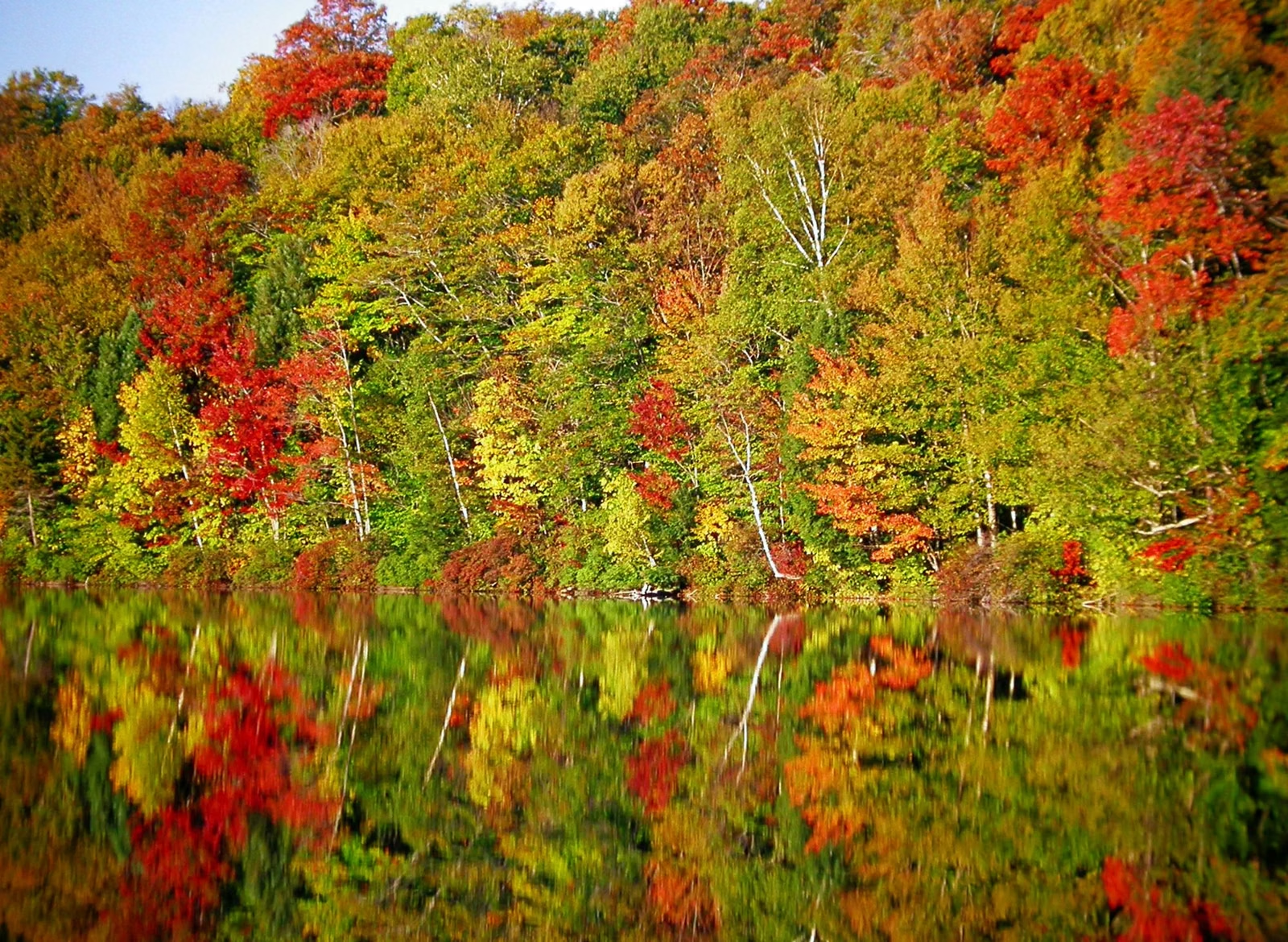
About the Park
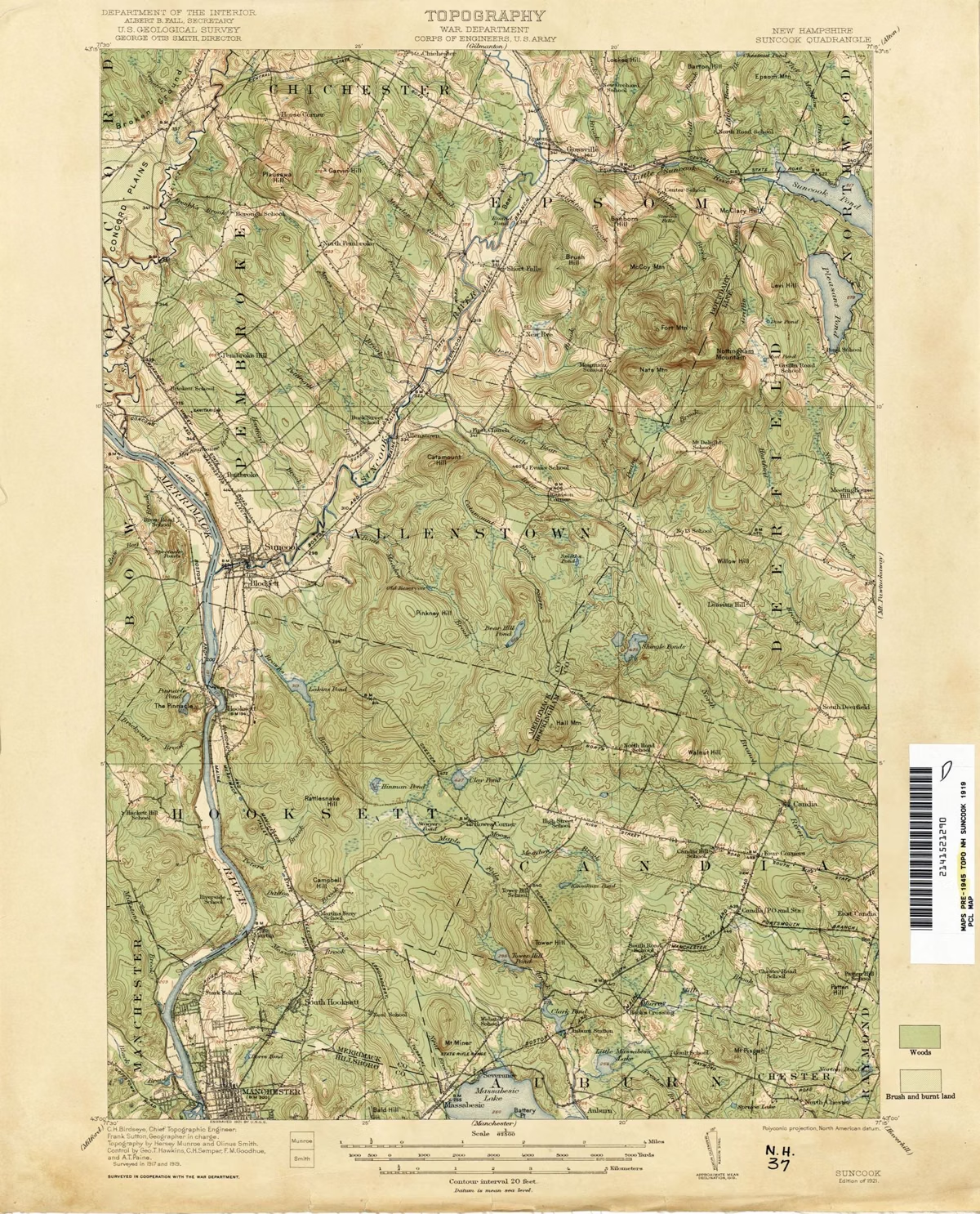
Bear Brook State Park is a about 10,000-acre state park in Allenstown, Deerfield, Hooksett and Candia, New Hampshire, and the largest developed state park in the state. It began in the 1930s as a federal recreation project built by the Civilian Conservation Corps, and the federal government gave it to New Hampshire in 1943. It is managed by the New Hampshire Division of Parks and Recreation (NH State Parks).
The Park at a Glance
Poor Farmland, Chosen for a Park
The National Register nomination for the park's CCC camp tells the story. The land between Manchester and Concord had never been good farmland. A 1781 lot map of Allenstown rated much of it bad, middling bad or very bad, and by 1935 only two families still lived there. In the mid-1930s the federal Resettlement Administration and the National Park Service picked the Bear Brook area as one of 46 recreation demonstration projects in 24 states. New Hampshire passed a law in 1935 to make it possible, and the federal government secured options on about 8,000 acres in Deerfield, Allenstown, Candia and Hooksett.
The CCC Years
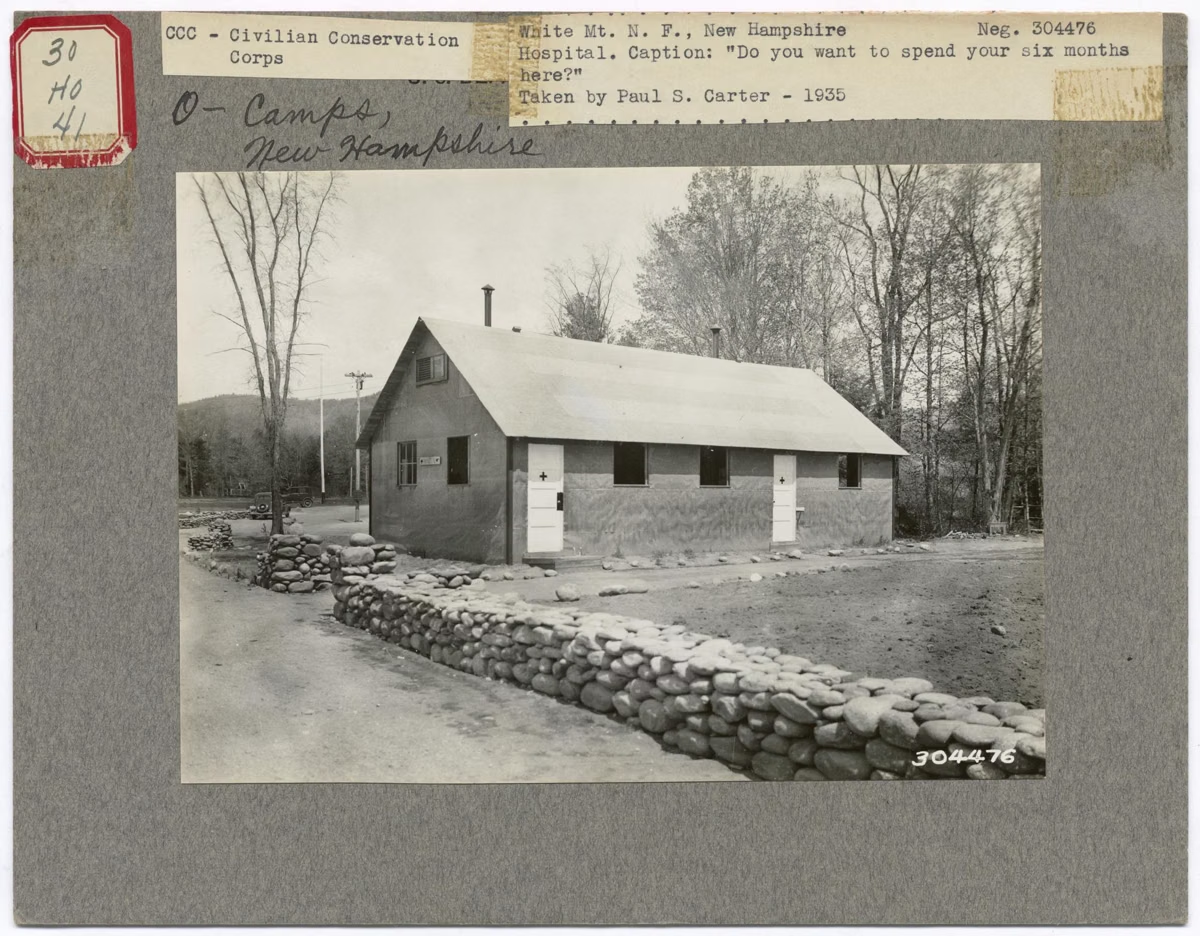
A Civilian Conservation Corps company arrived on October 15, 1935 and moved into a camp of Army-designed, prefabricated barracks about half a mile from today's park entrance. Over the next few years the crews built picnic and parking areas, playgrounds, foot trails, footbridges and park roads, and fought tree pests and diseases. They developed Bear Hill Pond as the park's first organized camp in 1936 and 1937, and Spruce Pond as the second in 1937 and 1938, working with the WPA. The camp closed as a CCC facility on January 10, 1942. Its surviving buildings now hold the CCC Museum.
A State Park From 1943
On March 3, 1943, the U.S. Department of the Interior deeded the 6,436-acre Bear Brook park to New Hampshire, and that June the state's Forestry and Recreation Department took control. The park has since grown to about 10,000 acres.
The Park Today
NH State Parks describes Bear Brook as heavily forested, with more than 40 miles of trails leading to seldom-visited marshes, bogs, summits and ponds. It has a 101-site campground on Beaver Pond, cabins on Bear Hill Pond, a day-use swimming area on Catamount Pond, two archery ranges and a museum complex in the old CCC camp.
How the Park Is Managed
Bear Brook has its own management plan committee. NH State Parks says the plan aims to conserve native biodiversity, protect and develop the park's many uses, and keep potentially conflicting uses in balance.
Forestry is part of that work. In fall 2025 the state harvested a declining stand of white pine that had become a safety risk, leaving hardwoods to reseed the forest. Trails through the stand were closed, and NH State Parks says future plans there include an accessible trail system built to ADA guidelines. Money from the timber sale goes back into managing state lands.
About Bear Brook State Park
How big is Bear Brook State Park?
About 10,000 acres. NH State Parks calls it the largest developed state park in New Hampshire. It was 6,436 acres when the federal government deeded it to the state in 1943.
Who built Bear Brook State Park?
The Civilian Conservation Corps, from 1935, on land the federal government assembled as a recreation demonstration project with the National Park Service. CCC crews built the first trails, roads, footbridges and picnic areas.
When did Bear Brook become a state park?
In 1943. The U.S. Department of the Interior deeded the park to New Hampshire on March 3, 1943, and the state took control that June.
What towns is Bear Brook State Park in?
Allenstown, Deerfield, Hooksett and Candia, according to the official trail map. Most of the park and its main facilities are in Allenstown and Deerfield.